United States
Online phone card to United States
 Serbia
Looking for a phone card to call from South Korea to Serbia? CallTuv is a simpler online phone card alternative: check the live rate to Serbia, call landlines and mobiles directly from your browser, and pay as you go by minute.
Live rates checked • Starts from $1.20/min
Calling card rates to Serbia
Before you buy a phone card for Serbia, compare the live per-minute price for landlines and mobiles here.
~$1.20 / min
Per minute to landline numbers
~$1.65 / min
Per minute to mobile numbers
$5
Calling credit:
4 min
to landline Serbia
3 min
to mobile Serbia
$10
Calling credit:
8 min
to landline Serbia
6 min
to mobile Serbia
$25
Calling credit:
20 min
to landline Serbia
15 min
to mobile Serbia
Add credit, enter the full number for Serbia (mobile or landline), and place the call from your browser in minutes.
Comparison
If you are searching for a calling card to Serbia, this is the real comparison: a prepaid PIN card with extra dialing steps, or a faster online option that lets you see the live rate and call immediately.
Traditional phone card Prepaid balance, access number, and PIN-based dialing. | CallTuv Recommended Browser calling with live rates and direct calls to regular phones. | |
|---|---|---|
How you start the call | Buy a phone card or virtual PIN, then dial an access number before every call. | Open CallTuv in your browser and call Serbia directly. |
Before the call connects | Enter extra digits, wait through prompts, and key in a PIN. | Enter the number, review the price, and place the call. |
Pricing clarity | Harder to predict what a call to Serbia will really cost on landlines versus mobiles. | Live landline and mobile rates to Serbia are shown before you call. |
Calling from abroad | Often depends on finding the right local card, top-up, or access number. | Use the same browser-based flow from any country when calling Serbia. |
What the person you call needs | They answer a regular phone. | They also answer a regular phone in Serbia. No app required. |
| Best for | People who still prefer the old prepaid-card process and do not mind the extra dialing steps. | People who want a cleaner way to call Serbia, see the live rate first, and avoid access-number or PIN friction. |
How it works
You do not need to find a local store, buy a scratch card, or memorize an access number. Open the dialer, enter the number, check the live price, and place the call to Serbia.
Open CallTuv in your browser from South Korea. Add credit if needed so you can place the call right away without buying a separate phone card.
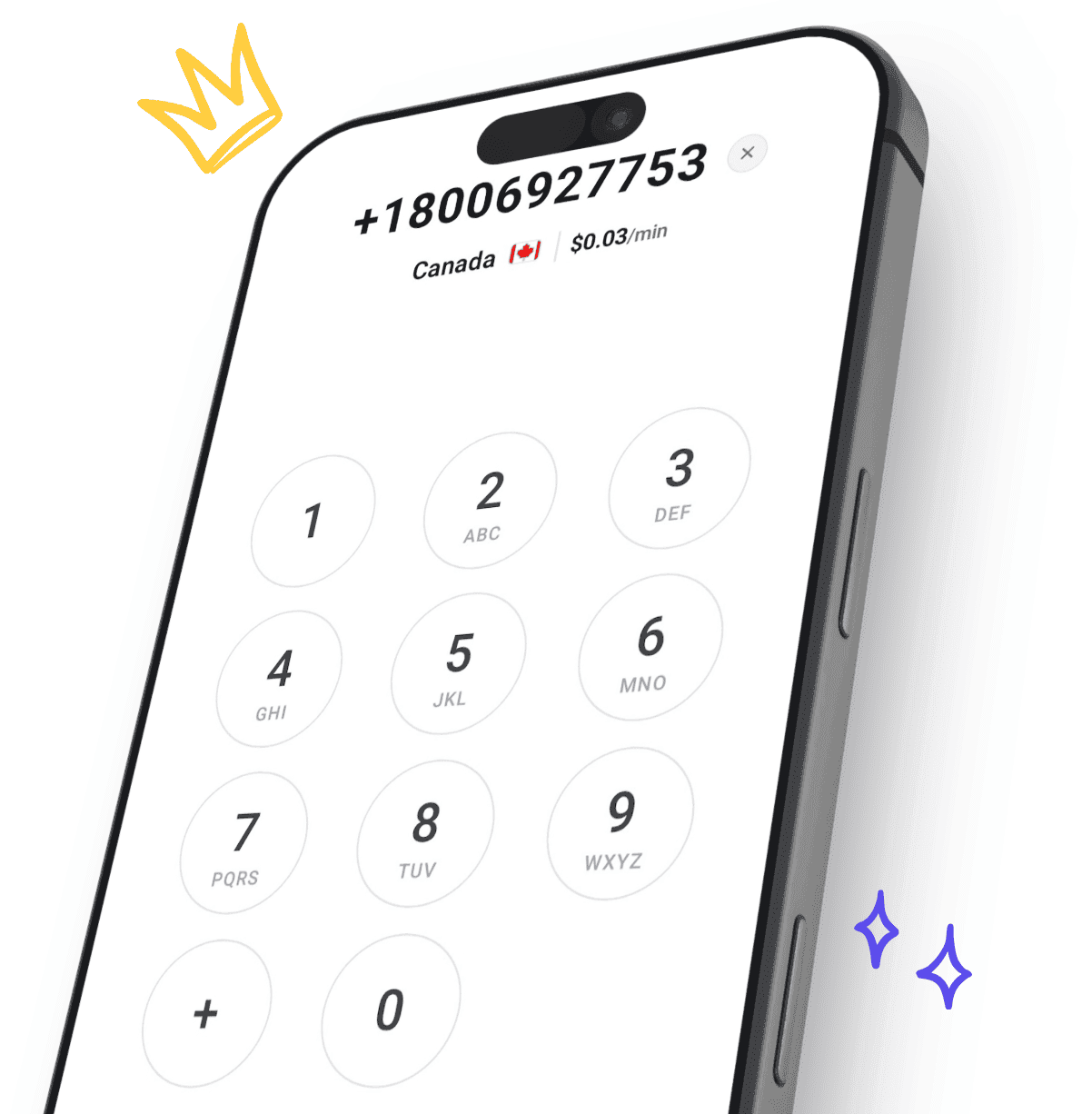
Type the full number with +381. You do not need a prepaid calling card PIN or local access number first.
Check the current landline or mobile price before placing the call, so you know exactly what a call to Serbia costs.
Connect directly from your browser and speak to landlines or mobiles in Serbia. The recipient does not need an app or CallTuv account.
Quick facts for calling Serbia
Destination
Serbia 🇷🇸
Dial code
+381
Live rate from
$1.20/min
Calling model
The person receiving your call in Serbia does not need an app. They just answer their regular phone. Browser-based calling with live rates and direct calls to regular phones. No scratch cards, PINs, or local access numbers.
Ready to call?
Open the browser dialer, add credit, and call landlines or mobiles in Serbia without a phone card, PIN, or access number.
Country profile
When people search for calling cards to Serbia, they usually want to confirm the country code, check the time difference, and make sure they have the right number format for a regular phone. Start with these basics before you call.
Calling code
+381
Capital of Serbia
Belgrade
Region
Europe (Southeast Europe)
Currency
Serbian dinar (дин.)
Time zones
UTC+01:00
Current time
Your time
--:--
Serbia
--:--
Serbia is --
Serbia uses the dialing code +381 and has Belgrade as its capital city. The population is approximately 6,567,783. Primary languages include Serbian. If you are comparing calling cards to Serbia, these basics help confirm that you have the right destination and number format before you call.
Most callers are trying to reach a normal phone number in Serbia, not another app. That could be family, travel plans, customer support, banks, or business contacts. CallTuv is built for that exact use case: affordable international calling to a landline or mobile number in Serbia, without the friction of an old prepaid phone card.
Calling from South Korea? You can compare the price here, check the live rate on the rates page, and open the dialing guide if you want the full country-code format before placing the call.
Calling card FAQ
Answers to the most common questions about phone cards, rates, PINs, and online calling for Serbia.
Explore other destinations if you need an online phone card for another country, compare live prices, and open the dialing guide when you are ready to call.
United States
Online phone card to United States
Canada
Online phone card to Canada
Mexico
Online phone card to Mexico
Germany
Online phone card to Germany
Italy
Online phone card to Italy
France
Online phone card to France
Spain
Online phone card to Spain
Australia
Online phone card to Australia
United Kingdom
Online phone card to United Kingdom
Top up, dial, and stay connected wherever you are with crystal-clear calls. Transparent pricing, no hidden fees, no subscriptions.


If you have any questions, our team is here to assist you.
Send us an e-mail to help@calltuv.com and we'll respond ASAP.
Send us your inquiry using our dedicated contact form.
Ready to dial in?
Create your account, add credits, and place your first call straight from your browser. No setup fees, no subscriptions.